From Catch to Cuisine: Becoming skilled at Fish Filleting With the Right Knife
Perfecting the skill of fish filleting requires a blend of expertise and appropriate tools. A well-chosen knife can make all the difference in achieving precision and quality. With a tidy workspace and key techniques available, anyone can improve their culinary creations. Yet, frequent mistakes can hinder advancement. Understanding these subtleties is essential for success. The process from catch to exquisite cuisine begins here, and the following steps will disclose the secret to flawless fillets.
Choosing the Right Knife for Filleting Fish
Choosing the ideal knife for filleting fish is crucial for achieving clean, exact cuts. A filleting knife typically features a lengthy, flexible blade, allowing for better maneuverability around bones and skin. Most filleting knives range from six to nine inches in length; the selection often depends on the size of the fish being prepared. The blade's material, such as stainless steel or high-carbon steel, also plays a major role in durability and sharpness. A balanced handle, often made from wood or synthetic materials, guarantees comfort during use, reducing hand fatigue. Additionally, some knives have a tapered design, enhancing control and precision. Selecting a knife with a good grip and a keen edge can greatly improve the filleting process, resulting in perfectly cut fillets. As a result, investing time in choosing the ideal knife is essential for anyone looking to master the art of fish filleting.
Organize Your Space for Fish Filleting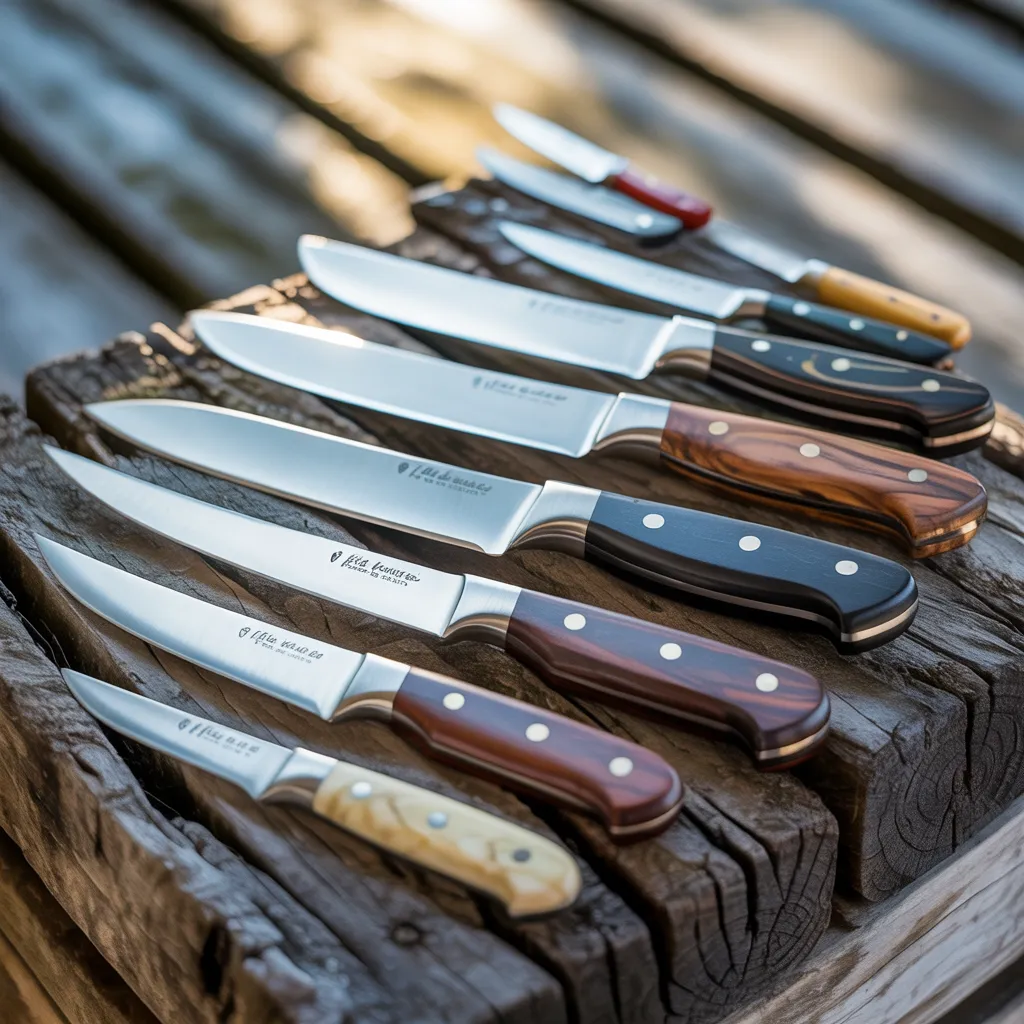
Readying the workspace for fish filleting is as important as selecting the right knife. A sanitary, structured area confirms efficiency and safety during the process. The ideal workspace should be a flat, sturdy surface, preferably a dedicated cutting board that can bear the use of sharp knives.
It is vital to have all necessary tools nearby, including a filleting knife, cutting board, and a bowl or container for the discarded parts. Proper lighting is also crucial; a brightly illuminated space allows for better sight of the fish's structure and any delicate filleting tasks.
Furthermore, it is wise to have a moist cloth ready for quick clean-ups, limiting the risk of slipping. Finally, confirming that the workspace is free from distractions promotes focus and precision, ultimately leading to better results. A well-prepared environment substantially supports mastering the art of fish filleting.
Vital Skills for Preparing Fish: A Methodical Walkthrough
Choosing the correct knife matters for making precise cuts in the procedure of filleting fish. Understanding the distinct filleting techniques enhances efficiency and accuracy. This guide will outline the core steps to perfect the art of fish deboning.
Finding The Right Knife
A superior knife is essential for effective fish filleting, as it not only enhances precision but also ensures a clean cut. The ideal knife for this task is flexible and sharp, typically featuring a long, narrow blade that allows for intricate cuts along the fish's spine and ribs. A filleting knife, often around 7 to 9 inches in length, provides the right balance between control and reach. Handle materials, such as wood or plastic, should offer a secure grip to prevent slippage during use. Additionally, a properly cared for knife, regularly sharpened, will perform better and reduce the risk of injury. Choosing the right knife ultimately contributes to a easier, more efficient filleting experience.
Slicing Procedures Broken Down
When you have a suitable knife at your disposal, the focus moves to the techniques that will guarantee successful fish filleting. To begin, securing the fish on a clean, firm surface is essential. The knife should glide along the backbone, beginning just behind the head and moving towards the tail. A gentle sawing motion helps separate the flesh from the bones without tearing. Next, the fillet must be carefully removed, ensuring all pin bones are discarded. For skinning, the fillet is positioned skin-side down; the knife's blade edge is used to pass between the skin and flesh. In conclusion, trimming any remaining bones or imperfections completes the process, yielding perfectly filleted fish ready for culinary use. Mastery of these techniques improves both efficiency and results.
Top 5 Mistakes to Sidestep While Filleting Fish
Filleting fish requires accuracy and skill, yet many beginner fishers fall into common pitfalls that can ruin the process. One major error is using the wrong knife; a filleting knife is crucial for neat cuts. Another common mistake is applying too much pressure, which can tear the flesh rather than cutting it cleanly. Additionally, failing to remove all bones can lead to an unpleasant eating experience, so careful focus is vital. Many fishers also fail to follow along the fish’s natural lines, which can result in lost meat. Finally, not preparing a clean workspace can cause contamination and hinder efficiency. By avoiding these five mistakes, novice fishers can greatly improve their filleting technique, guaranteeing a better product and a more enjoyable cooking experience. Mastery of these fundamentals sets the stage for a successful shift from catch to cuisine.
Maintaining Your Filleting Knife: Critical Guidance
Keeping your filleting knife in excellent condition is crucial for superior performance and safe handling. Frequent sharpening methods, suitable cleaning techniques, and appropriate storage solutions confirm the blade stays efficient and durable. Through implementing these important recommendations, owners can maximize the longevity of their filleting knife and elevate their fish preparation experience.
Consistently Improving Your Approaches
Consistently sharpening a filleting knife is vital for making clean cuts and assuring safety during fish processing. A dull blade can slide, raising the risk of injury and reducing the quality of the fillet. Various techniques for sharpening include the whetstone, honing rod, or electric sharpener. The whetstone requires skill but allows for precise control, while honing rods are simpler and ideal for quick touch-ups. Electric sharpeners offer convenience but might take off more metal than intended. No matter the method used, keeping a consistent angle while sharpening is essential. Also, you can test sharpness by slicing paper; a clean cut signifies a well-honed knife, ready to fillet effectively.
Correct Cleaning Approaches
Keeping a clean filleting knife is important for food safety and optimal performance. Using proper cleaning methods ensures that the knife stays effective and free from contaminants. The knife should be rinsed immediately under warm water after every use to eliminate fish residue. A non-abrasive sponge or cloth can be used to carefully scrub the blade, avoiding abrasive substances that might damage the finish. Thoroughly drying the knife is essential to prevent rust and corrosion. Consistently checking the knife for any signs of wear or damage while cleaning helps keep it functional. Adhering to these cleaning routines extends the knife’s durability and supports a hygienic environment for food preparation.
Secure Storage Guidelines
Proper cleaning is important for a filleting knife’s durability, and secure storage methods are just as essential. Correctly storing the knife can stop damage to both the blade and its user. Using a appropriate knife sheath or blade guard is recommended to shield the edge and maintain safety during handling. Magnetic strips can be helpful for convenient access and visibility, thus lowering the risk of accidents. Storing the knife in a dry spot is advisable to avoid rust and corrosion. Also, keeping the knife away from heavy kitchen utensils decreases the chance of dulling or chipping the blade. By adopting these storage suggestions, one can lengthen the filleting knife’s life and ensure safe use.
Cooking Tips and Dishes to Enhance Your Filleted Fish
Perfecting essential culinary approaches that boost flavor and texture is necessary for advancing filleted fish. One proven technique entails pan-searing, that creates a crispy exterior while preserving moisture content. A hot skillet containing a trace of oil allows the Maillard reaction, strengthening the fish's original taste profile.
Additionally, soaking the fillets in citrus juices, herbs, or spices for 30 minutes can infuse them with rich flavor. Oven-cooking is another superb alternative, particularly when paired with a layer of seasoned breadcrumbs and cheese for added crunch.
For a revitalizing modification, contemplate preparing fish tacos with a punchy slaw and avocado. Instead, a straightforward lemon-butter sauce can heighten any dish, accentuating the delicate flavors of the fish.
Testing various cooking methods and taste combinations allows home cooks to make memorable meals that display their newly filleted catch.
Comprehensive Step-by-Step Directions for Filleting Multiple Fish Species
Perfecting the art of fish filleting is key to achieving the best gastronomic results. Each species requires a bespoke approach to guarantee ideal yields and quality. For flat-bodied fish, such as flounder, one should start by placing the fish skin-side down, making a cut behind the head, and then gliding the knife along the backbone. In contrast, filleting round fish, corresponding information like trout, involves a similar initial cut but requires careful focus to the rib bones. For bigger fish, such as salmon, a lengthy, supple knife is essential. After creating the initial cut, the filleting knife should move along the spine, dividing the flesh from the bones with precision. Following these methods not only increases the amount of fillet obtained but also enhances the overall texture and flavor of the fish, rendering it an invaluable skill for any culinary enthusiast.
Common Questions That Are Often Posed
What Should I Consider When Selecting the Right Fish for Filleting?
Determining the ideal fish for filleting involves selecting pristine solid samples. Preferred picks include salmon, trout, and snapper, celebrated for their workable size and tissue standard, delivering easier handling and superior results in the filleting task.
Is It Possible to Use a Conventional Kitchen Knife for Filleting?
Removing fillets with a regular kitchen knife is doable, though it may miss the precision and flexibility that a dedicated filleting knife offers. A specialized filleting tool delivers cleaner cuts and superior outcomes in fish preparation.
What Should I Make With Fish Remnants After Filleting?
After gutting fish, one should consider putting scraps in compost, using them for fish stock, or offering to local wildlife. Disposing of them properly confirms negligible waste while boosting the benefits of the entire fish.
How Extended Can the Preservation Period for Deboned Fish?
Filleted fish may be stored in the refrigerator for up to two days, though frozen storage extends its shelf life to six months. Quality packaging lessens freezer burn, guaranteeing quality and freshness for later culinary applications.
Do Any Safety Tips Exist for Fish Filleting?
When deboning fish, one should always employ a keen knife for precision, maintain a sanitary workspace to prevent contamination, ensure hands and surfaces are moisture-free, and prioritize safety by keeping fingers away from the blade's edge.